‘We didn’t forget how to negotiate’: US, Russia agree on adding Novichok & NATO-made chemicals to OPCW blacklists
by RT
‘We didn’t forget how to negotiate’: US, Russia agree on adding Novichok & NATO-made chemicals to OPCW blacklists
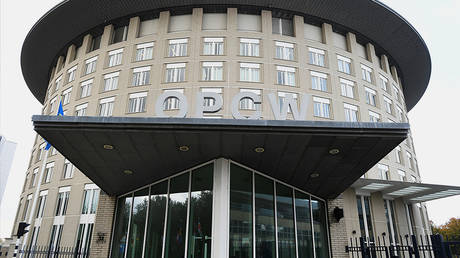
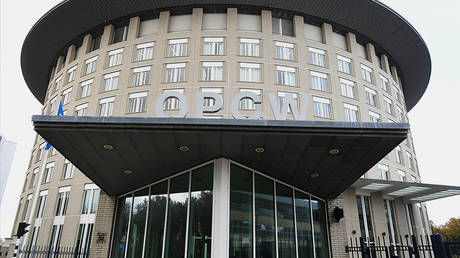
A Russian envoy rejoiced at a diplomatic breakthrough that allowed the Organization for the Prohibition of Chemical Weapons (OPCW) to make history by drastically expanding its blacklist of the world’s deadliest toxins.
Members of The Hague-based OPCW have unanimously backed amending the entity’s lists of banned nerve agents for the first time since 1997.
One amendment, proposed by the US, the Netherlands and Canada, extended the ban on the notorious Novichok – a colloquial term for a group of deadly chemicals once developed by the USSR. The other one, put forward by Russia, took aim at a toxin that was designed and studied by NATO’s secretive labs during the Cold War.
“Fixing the problem with the lists was a positive thing,” commented Alexander Shulgin, Russia’s envoy to the OPCW. “Russia and the United States have finally shown that our delegations have not forgotten how to negotiate,” he added.
He said the family of NATO nerve agents in question includes chemicals produced by the US in the 1970s and the 1980s. The hazardous substances “should have been reported at that time, but it was not to be,” the diplomat lamented.
Russia first suggested that the OPCW should add an array of Western-made chemicals to the ban lists back in 2018, but that proposal was fended off. Three Western nations – the US, the Netherlands and Canada – responded in kind, seeking to include Novichok – a chemical weapon purportedly used last year to poison Russian double agent Sergey Skripal and his daughter in Salisbury.
The OPCW Executive Board greenlighted the move, but it was blocked by Russia this September. Finally, it was decided to give a go-ahead to both proposals, resolving the diplomatic deadlock.
Fernando Arias, the organization’s director-general, welcomed the news, saying that it “demonstrates the adaptability… to changing threats while enhancing the OPCW’s ability to remain vigilant, agile, and fit for purpose.”
Think your friends would be interested? Share this story!