From microbes to man: Muck-dwelling organism found off Japanese coast could help explain how complex life arose on Earth
by RT
From microbes to man: Muck-dwelling organism found off Japanese coast could help explain how complex life arose on Earth
A strange microbe found buried deep in the mud off of Japan’s southern coast may finally unravel one of evolution’s most pressing mysteries, helping scientists understand how complex life forms emerged from the primordial ooze.
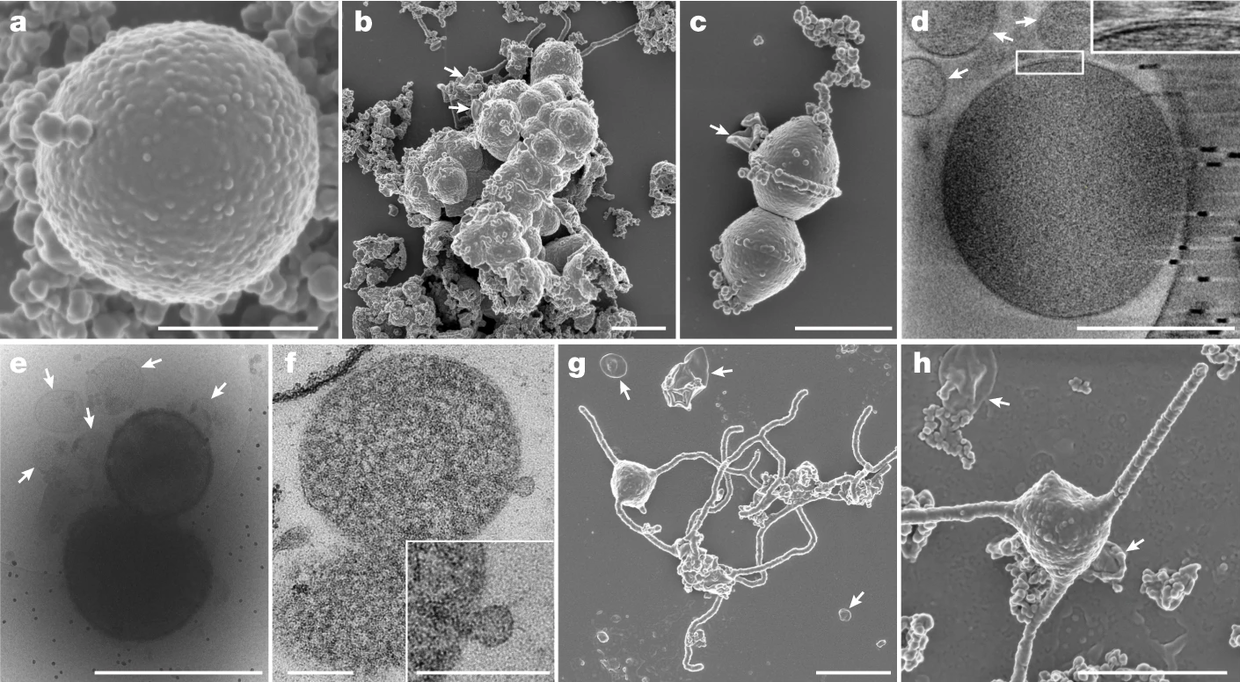
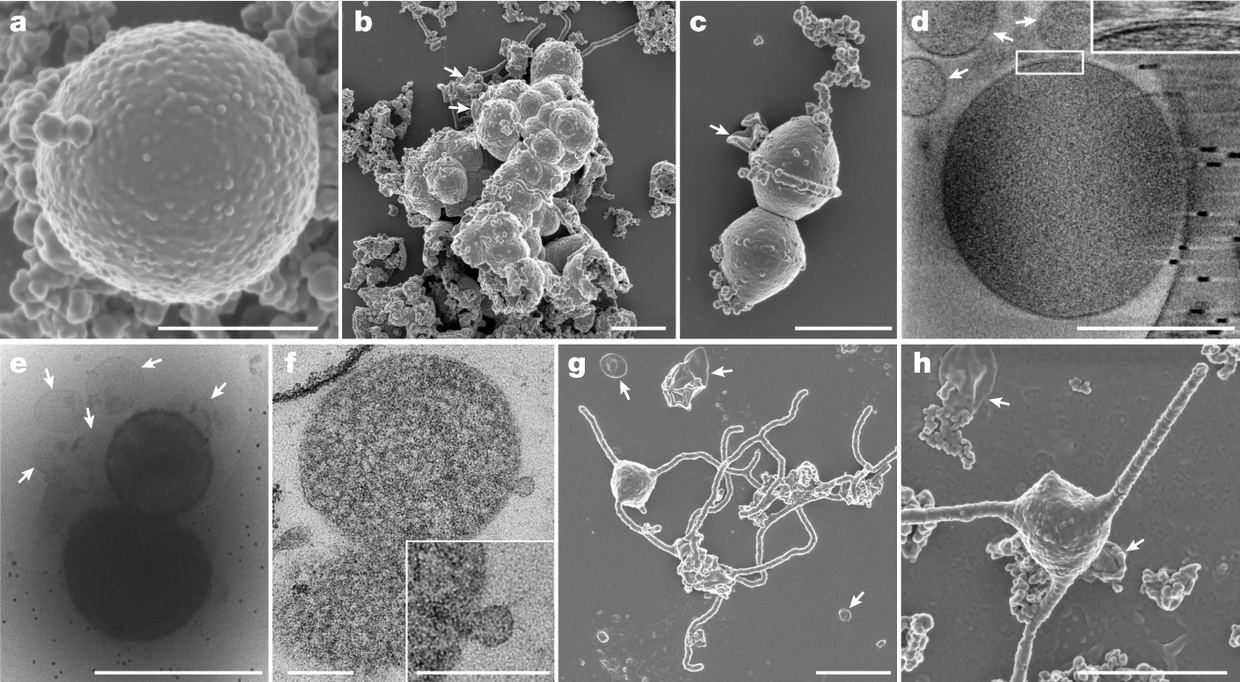
Taking its name from Prometheus – the Greek titan who fashioned mankind from a slab of clay – the newly discovered Prometheoarchaeum syntrophicum was found embedded over a mile under the ocean surface in the muddy seabed near Japan’s Kii Peninsula. The team behind the discovery published their findings in Nature on Wednesday.
Noticing the creature’s unique attributes, the team was able to produce lab cultures, allowing them to study it in much greater detail. The sphere-shaped single-cell microbe, each about 500 nanometers around, is equipped with long, branching limbs, which researchers theorize are used to ensnare other microorganisms, such as bacteria. But instead of preying on those “companion bacterium,” the creature is thought to absorb it, eventually becoming a single life form over long periods of evolutionary history.
Biologists have long suspected that such a symbiotic relationship could explain the emergence of complex life, suggesting that simple microbes fused billions of years ago to produce more complicated cell structures. It is believed the same process gave rise to “eukaryotes,” a broad category of complex organisms encompassing everything from fungi, plants, insects and animals – humans included.
“How we – as eukaryotes – originated is a fundamental question related to how we – as humans – came to be,” said microbiologist Masaru Nobu of Japan’s National Institute of Advanced Industrial Science and Technology and one of the study’s main authors.