

Former mayor of Moscow Luzhkov, once one of Russia’s most powerful officials, dies aged 83
The once-powerful mayor of the Russian capital, Yury Luzhkov, has passed away, leaving a legacy of monumental development projects, allegations of corruption and a failed bid for the presidency.
Luzhkov held the top office in one of the world’s most important cities for almost two decades. Best known for his passion for reshaping the cityscape in the most dramatic ways, he is credited with some of the highest-profile construction projects in Moscow.
The builder
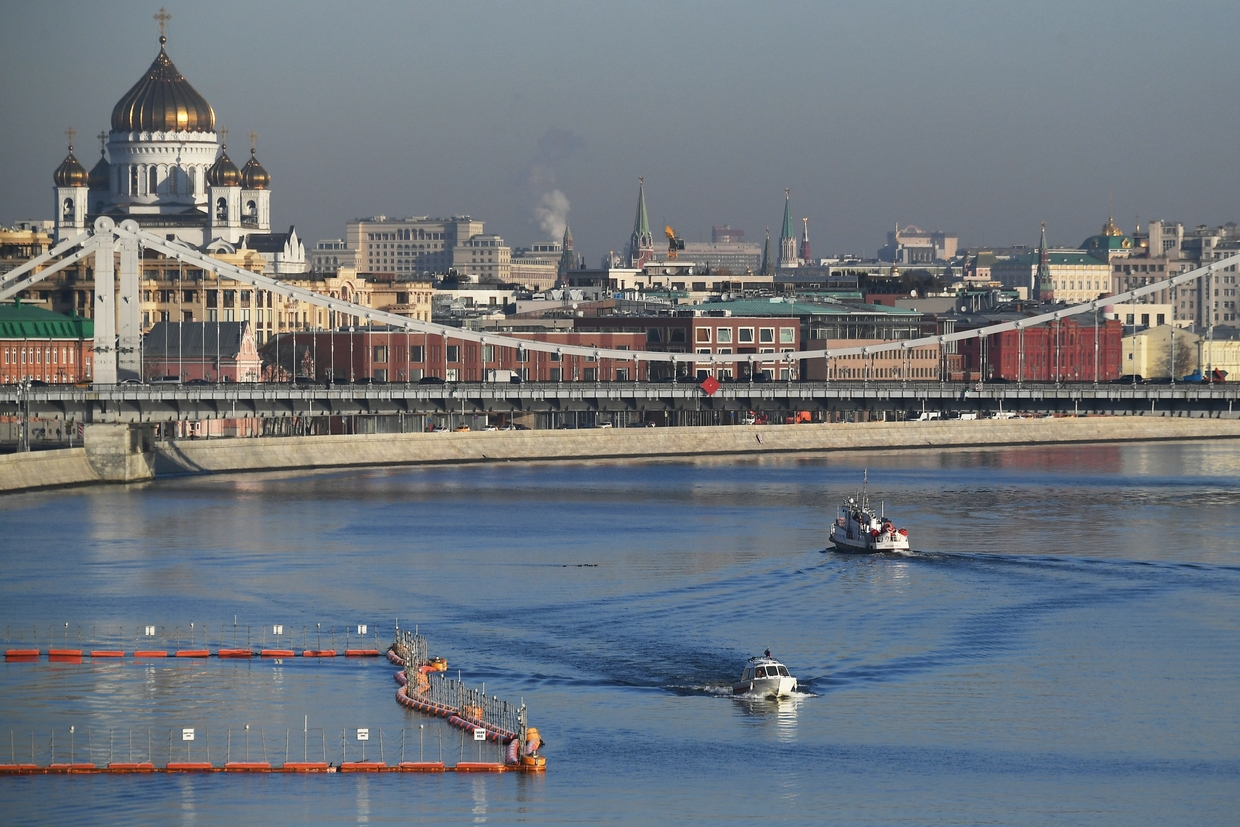
Arguably the signature monument of his time is the rebuilt Christ the Savior Cathedral. The original had been demolished in the 1930s amid the Stalin-era modernization of the city. Luzhkov took steps to ensure a budget for the project and raised more from sponsors to fund the resurrection of the cathedral in its original location in central Moscow – a testament to new Russia’s embrace of the Orthodox Church.
Another pet project of his was the Second World War memorial on the Poklonnaya Gora and the Moscow City business center, which features the capital’s only true skyscrapers. There are also two circular multi-lane roads inside and around the city, which were hastily built to deal with the traffic gridlocks that came along with the rapid growth of car ownership in the 1990s.
Passionate for these mega-projects, Luzhkov famously made weekly visits to construction sites to inspect progress and tackle whatever hurdles were arising.
The development spree generated plenty of backlash. Critics say Luzhkov’s administration afforded itself a lot of leeway with issuing building permits and didn’t hesitate to knock down a historic building or two if they stood in the way of a shopping mall.
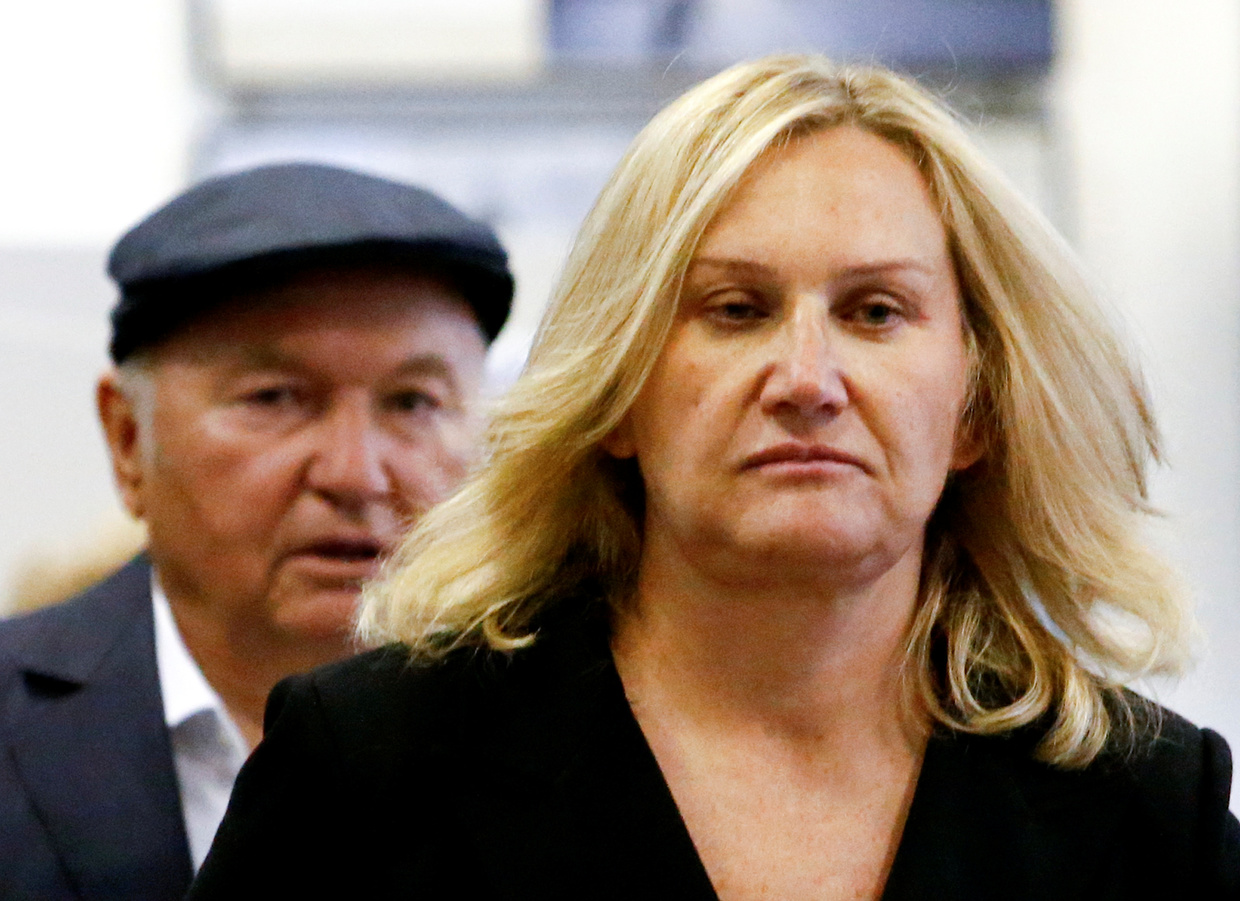
There was also his alleged corruption. His wife, Elena Baturina, who owned a construction business, became one of Russia’s wealthiest people and its wealthiest woman while Luzhkov was in office. His critics have said that graft must have been involved.
The meddler
The other target for Luzhkov’s energy was Crimea. The peninsula became part of Ukraine after the collapse of the USSR, but remained the base for the Black Sea fleet of the Russian Navy. Kiev used the threat of expulsion of Moscow’s warships as a bargaining chip in its negotiations with Russia.
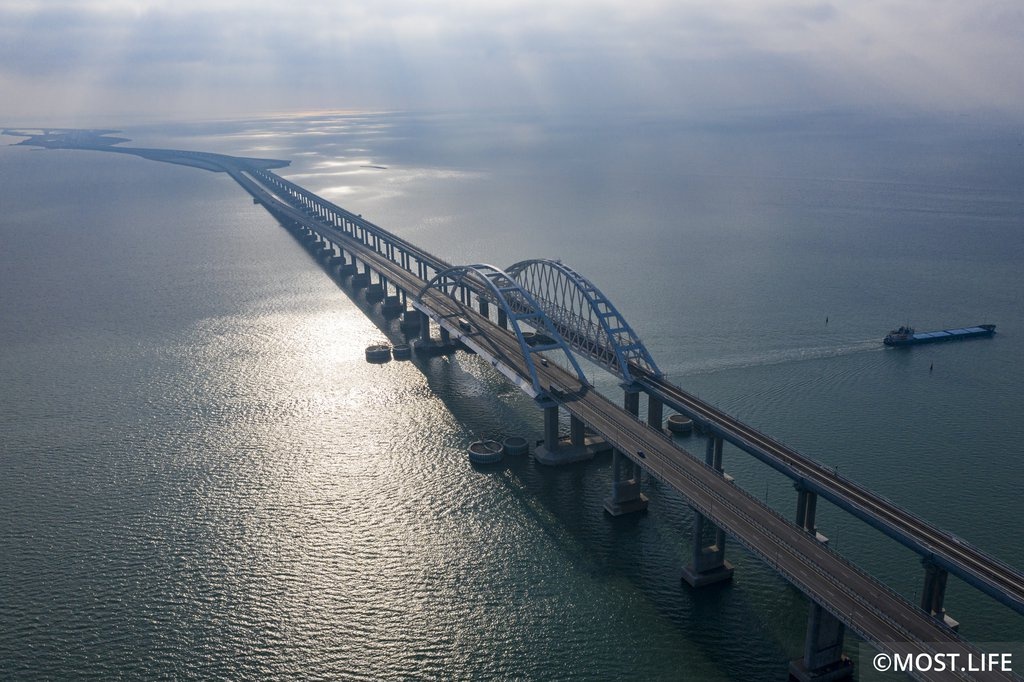
Luzhkov was among the Russian politicians who considered this situation unfair to the predominantly Russian region. He spent plenty of Moscow’s budget to support sailors and officers serving in Crimea with stipends and housing, vocally criticizing Ukrainian officials who would object to his program. In 1999 he even advocated building a bridge connecting Crimea with mainland Russia – two decades before the project was actually implemented.
Suffice it to say that he was not loved by Ukrainian nationalists, especially after Crimea broke away from Ukraine and reintegrated with Russia. But complaints about Luzhkov funneling the money out of city coffers and into a distant land were also levelled at him at home.
The presidential hopeful
The powerful mayor had a significant impact on Russia’s national policy, co-chairing a party with the third-largest number of seats in the Russian parliament in 1999. Luzhkov was considered a viable candidate to succeed Boris Yeltsin as the president of the country at the time, but was ultimately sidelined by Vladimir Putin.
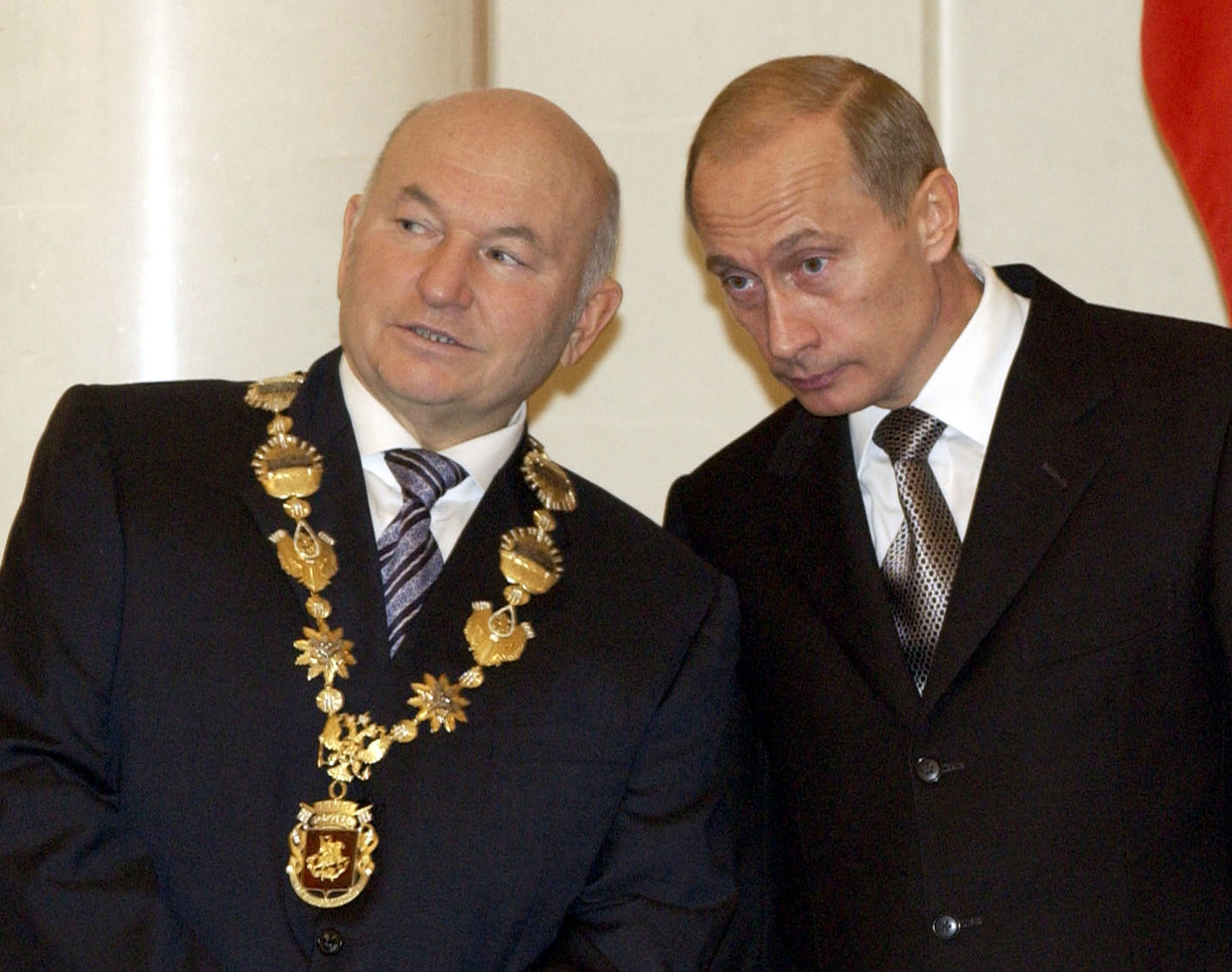
Luzhkov held his position for another decade, but ultimately lost it after a public conflict with then-president Dmitry Medvedev in 2010. It ended with an embarrassing sacking of the mayor, who, Medvedev said, had lost his confidence.
Stripped of power, he spent the following years in relative obscurity, offering occasional criticism of the Russian government and receiving an occasional award for his performance as mayor.
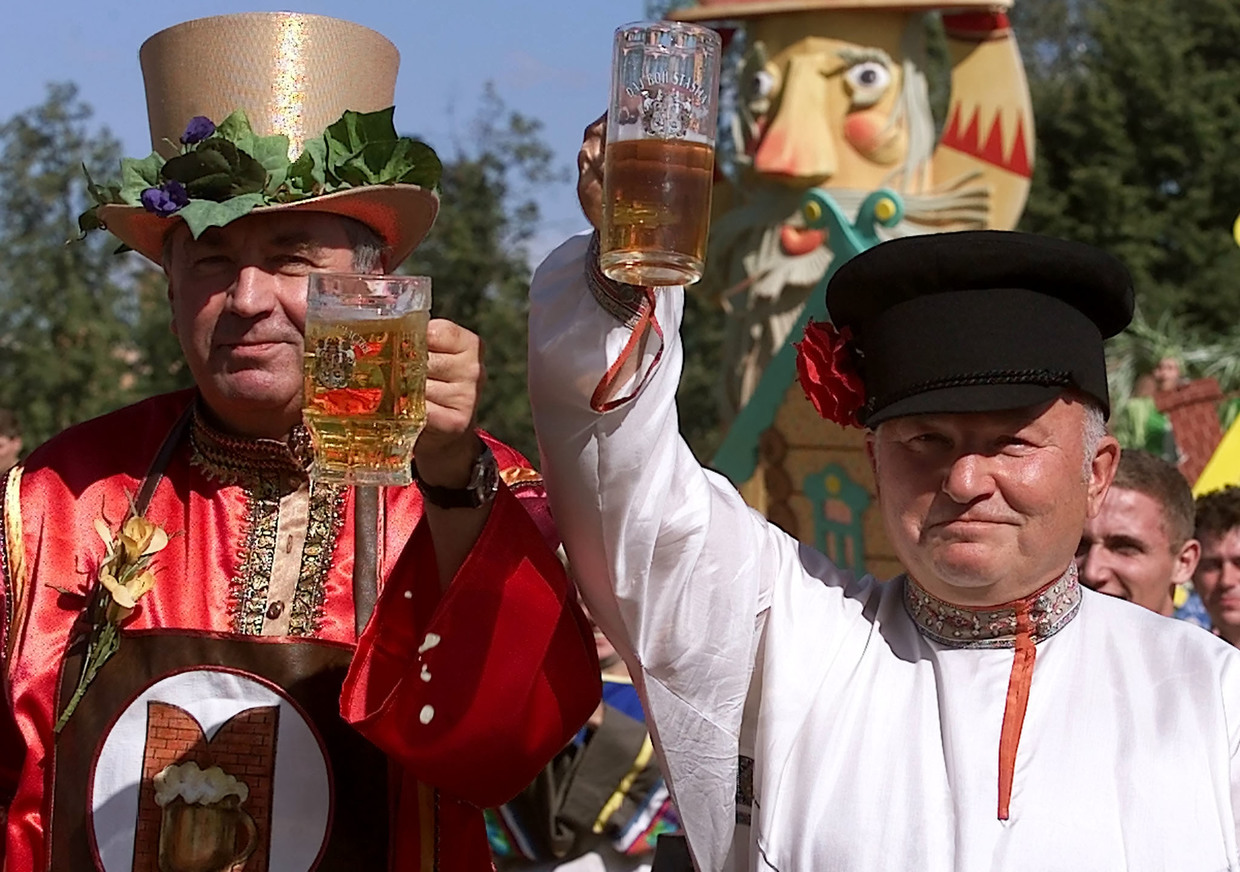
He died on Tuesday at a clinic in Munich while undergoing heart surgery. Mayor Sergey Sobyanin expressed his condolences to Luzhkov’s family and friends on Twitter, calling his predecessor “an energetic and life-loving man, who led Moscow in a difficult post-Soviet period, and did a lot of good for the city and the Muscovites.”
Like this story? Share it with a friend!
Former mayor of Moscow Luzhkov, once one of Russia’s most powerful officials, dies aged 83
Source: RT